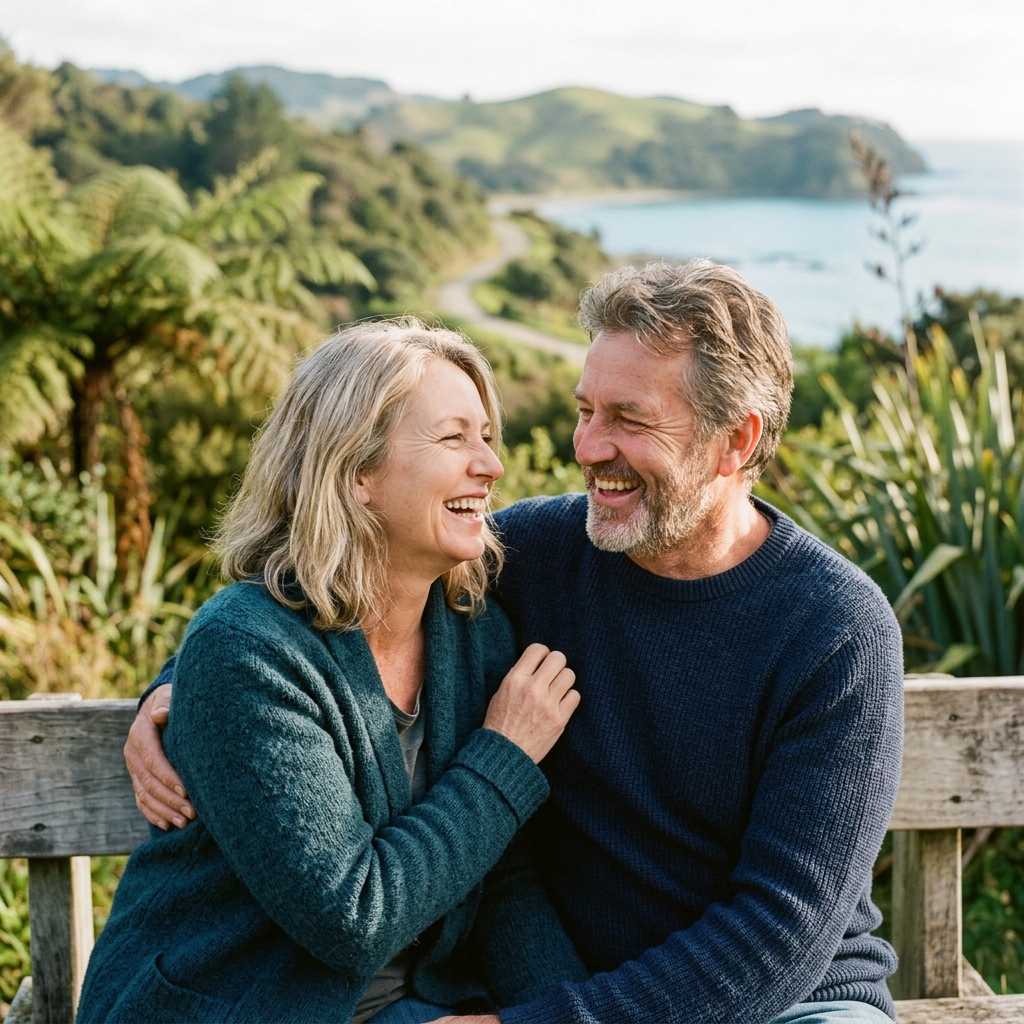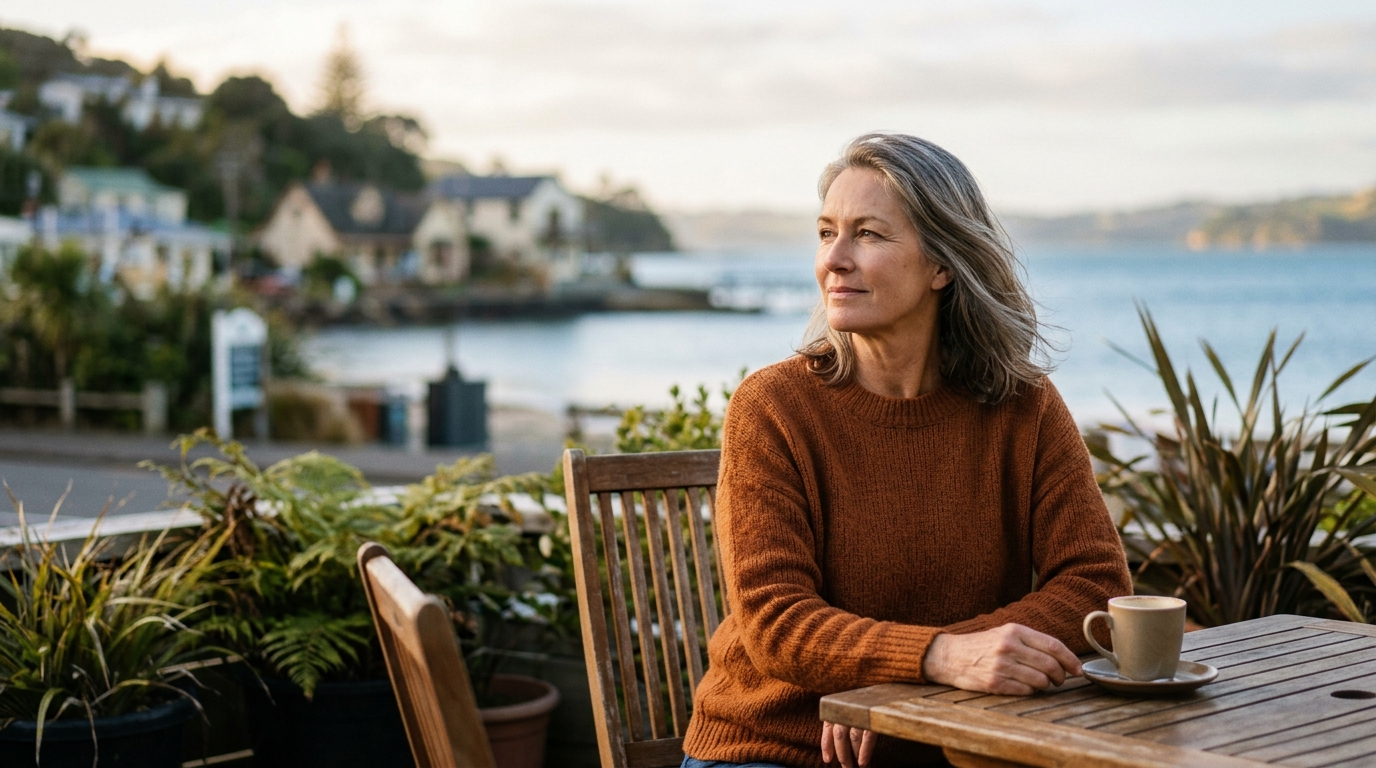
Kia ora! If you are standing at the crossroads of a new chapter in your life, you are likely asking yourself one major question: "Am I actually ready to do this again?" When you are over 50, entering the dating world isn't quite the same as it was in your twenties. You carry a lifetime of experiences, from the joys of long-term partnerships to the complexities of dating after divorce in your 50s or the profound quiet that follows bereavement.
The first thing you need to know is that there is no universal timeline. Whether you have been single for six months or six years, your journey is your own. In Aotearoa, we often feel the pressure to "get back out there" or, conversely, to stay "respectfully" single for a set period. However, emotional readiness doesn't follow a calendar. It is a quiet internal shift rather than a loud external announcement. The experience of a divorce is vastly different from the experience of losing a partner to illness; one might involve a sense of reclaimed freedom, while the other involves navigating a landscape of grief. According to the Mental Health Foundation of New Zealand, grief is an individual process that cannot be forced into a fixed timetable. You must give yourself the grace to process these changes without comparing your pace to anyone else's.
"Readiness is not the absence of fear or sadness; it is the presence of curiosity and the willingness to share your space with another person again."
It is also crucial to distinguish between being ready to meet new people and being ready for a committed, long-term relationship. You might be at a stage where you simply want to enjoy a coffee at a local café or a walk along a nearby beach with someone new, without any intention of merging lives. That is perfectly okay. Rebuilding your confidence is often a part of the dating process itself; you don't need to be 100% fearless before you send that first message or agree to a meet-up. Often, low-pressure first dates are the best way to test the waters and see how it feels to be seen as a romantic individual again, rather than just a parent, a professional, or a "widow/widower."
Take Note: Loneliness alone is not an indicator of readiness. While the desire for companionship is natural, entering a relationship purely to escape a "gap" in your life can lead to poor choices. It is better to build a foundation of self-sufficiency first.
Signs You’re Ready: Moving Beyond the Past and Embracing Curiosity
How do you know when the time is right? One of the strongest signs of readiness is finding yourself genuinely curious about another person’s life, rather than looking for someone to fill a specific role or "replace" what you lost. When you can listen to someone’s stories without constantly comparing them to your former partner—or worse, using the date as a therapy session to vent about your ex—you are likely in a good emotional space. This doesn't mean you must never think about the past. However, as noted by Relate NZ, being able to remember a previous relationship without intense anger or idealisation is a key step in making space for someone new.
Consider these signs of emotional availability:
- You feel comfortable with your life as it is right now, rather than waiting for a partner to "fix" it.
- You can discuss your past relationships briefly and honestly without becoming overwhelmed by emotion.
- You are interested in discovering who someone else is, rather than searching for a "type" that mirrors a former partner.
- You have the emotional energy to deal with the inevitable ups and downs of dating, such as rejection or mismatched expectations.
If your conversations or thoughts are still dominated by resentment towards a former spouse or deep longing for a lost partner, it might be a sign that you need more time. It is helpful to reflect on what your previous relationships taught you about your boundaries. What are your "non-negotiables" now? In our 50s and 60s, we often have a much clearer idea of what we *don't* want, which is a powerful tool. Use this clarity to define whether you are looking for casual companionship, exclusivity, or perhaps just expanding your social circle to find like-minded people first.
Remember, you don't need to be "completely over" every difficult feeling. Life is complex, and we often carry a small suitcase of "what-ifs" forever. The goal is to ensure that suitcase isn't so heavy that it prevents you from walking through a new door. If you find that dating feels consistently overwhelming or emotionally draining, it is a signal to step back. Dating should feel mostly interesting and hopeful, even if it’s a bit nerve-wracking at the start.
Practical Readiness: Making Room in Your Kiwi Lifestyle
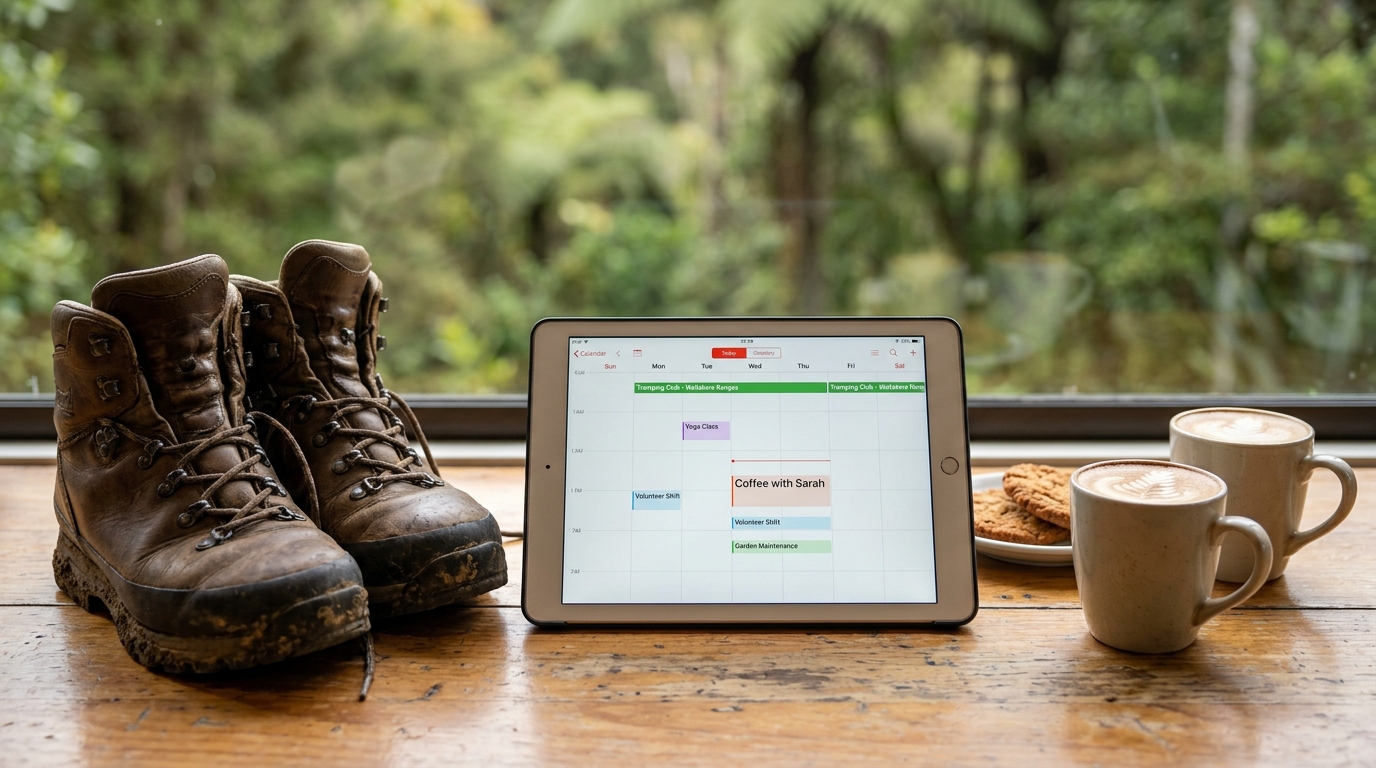
Beyond the emotional side, there is the practical reality of your daily life. By the time we reach 50, our lives are often quite "full." You might be navigating work commitments, helping out with grandkids, or caring for elderly parents. You probably have established routines, Sunday morning rituals at the market, or regular tramps in the bush with old friends. A significant part of readiness is asking yourself: "Do I actually have the time and space for another person?"
A healthy new relationship requires a certain amount of "available real estate" in your schedule and your mind. If your life is so packed that a new partner feels like another "chore" on your to-do list, the relationship will likely struggle to bloom. However, maintaining your independence is just as important. You don’t want to give up the life you’ve worked so hard to build; instead, you want to find someone who fits alongside it. This balance is a core theme in the dating over 50 hub, where we discuss how to blend established lives without losing your own identity.
Consider these practical checkpoints:
- Family Dynamics: Have you considered how you will introduce a new person to your children or wider whānau? While you don't need their permission, being prepared for their reactions is part of being ready.
- Personal Goals: Are you pursuing hobbies and interests for yourself, or are you hoping a partner will provide those for you?
- Resilience: Are you prepared for the "admin" of dating? This includes managing apps, setting up dates, and occasionally being "ghosted" or experiencing a lack of chemistry.
A Final Word: If difficult feelings from a previous relationship continue to significantly disrupt your sleep, work, or ability to enjoy life, it is wise to seek professional support. A new partner is a wonderful addition to a life, but they are not a substitute for healing.
Ultimately, being ready for a relationship after 50 is less about reaching a state of "perfection" and more about having enough emotional space to become genuinely interested in another human being. It’s about moving at your own pace, staying true to your boundaries, and being open to the possibility that the best years of companionship might still be ahead of you. Don't feel pressured by arbitrary timelines; when the curiosity to know someone else outweighs the comfort of your own solitude, you’ll know you’re on the right path.