Reaching your 60s in Aotearoa often brings a profound sense of freedom. Perhaps you’ve spent decades raising a family in Christchurch, navigating a career in Wellington, or maintaining a property in rural Waikato. Now, as the pace of life shifts, so do your needs for connection. The traditional "dating ladder"—where you meet, move in together, and marry—is no longer the only path available to you. In fact, for many Kiwis over 60, the goal of dating is less about finding someone to complete their life and more about finding someone to enhance it.
There is no single "correct" way to seek a relationship at this stage. You might find yourself at a crossroads, wondering whether you want a full-time partner to share your home with or a companion for weekend trips to the bach and occasional dinners. This transition is deeply personal and is often shaped by your history. Whether you are navigating life after a long-term marriage, experiencing bereavement, or have enjoyed years of independence, your past experiences are the compass that guides what feels right today.
"The beauty of dating later in life is that you finally have the permission to design a relationship that fits your lifestyle, rather than forcing your lifestyle to fit a traditional mould."
It is important to recognise that your desires can exist on a wide spectrum. You might value emotional closeness and physical affection but have no interest in merging your finances or your laundry piles. Understanding the distinction between companionship and a committed long-term partnership is the first step toward finding genuine happiness.
Redefining Connection: Independence vs. Intimacy
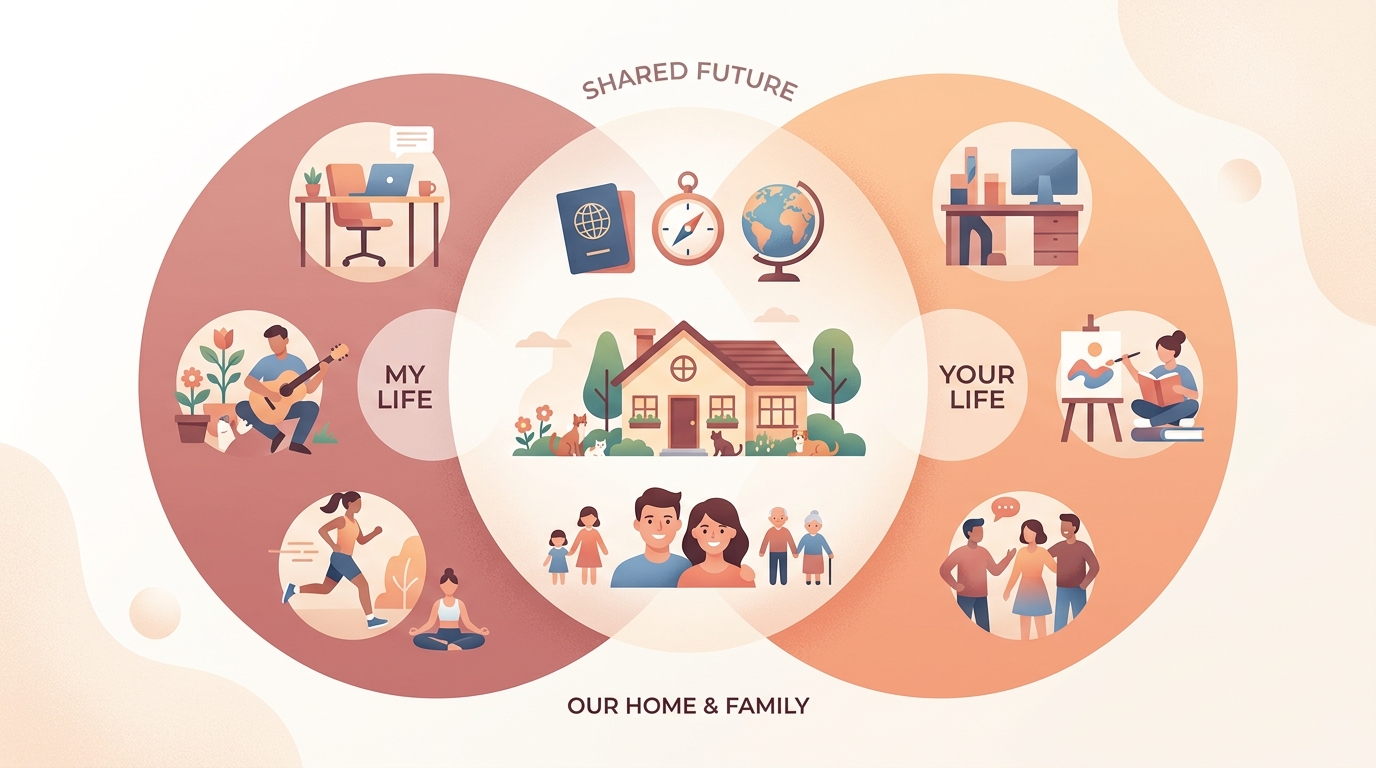
When you start exploring the dating scene again, it’s helpful to get quiet and ask yourself what you actually miss most. Is it the daily conversation over a morning tea? Is it having a "plus one" for family gatherings and local events? Or is it the deep, soul-level support of a partner who knows your every quirk? For some, the idea of "Living Apart Together" (LAT) is the perfect solution—maintaining your own home in the suburbs while enjoying a serious, committed relationship with someone who lives just a short drive away.
Consider these questions as you reflect on your personal goals:
- How much of your current routine are you willing to change?
- Do you enjoy your own company in the evenings, or does the silence feel heavy?
- How often do you realistically want to see a partner while still making time for grandkids, old friends, and hobbies like tramping or gardening?
- Are you looking for someone to travel the world with, or someone to sit on the porch with?
In New Zealand, many over-60s find that their independence is a hard-won prize they aren't ready to give up. You may have a set routine—Tuesday morning bowls, Friday nights at the local RSA, or Sunday mornings at the farmers' market—and that’s okay. A relationship doesn’t have to mean sacrificing these moments. In fact, the most successful connections at this age are built on a mutual respect for each other’s established lives.
Warning: Don't fall into the trap of looking for a "replacement" for a former spouse. Each person is unique, and trying to recreate a past dynamic often leads to disappointment for both you and your new partner.
Honest Communication and Evolving Expectations
Once you have a clearer picture of what you want, the challenge lies in communicating those intentions. You don't need to turn a first coffee date in Ponsonby or a walk along the waterfront into a formal interview, but being honest with yourself—and eventually your date—prevents heartache down the line. It is perfectly acceptable to say, "I really value my independence, but I’m looking for someone to share meaningful experiences with."
Two people can both say they want a "serious relationship" but have vastly different ideas of what that entails. One might mean "I want us to get married and sell our houses to buy one together," while the other means "I want you to be the only person I date, but I want to stay in my own home." This is why practical discussions are so vital as a connection deepens. You’ll eventually want to talk about:
- Family Dynamics: How much time do you spend with children and grandchildren, and what role would a partner play?
- Travel Styles: Are you a luxury cruiser or a campervan enthusiast?
- Finances: At this stage, protecting your assets and inheritance for your family is often a priority that requires clear boundaries.
- Health and Support: How do you feel about supporting each other through the physical challenges that can come with ageing?
Keep in mind that your preferences may evolve. You might start out thinking you only want a casual companion, only to find that you’ve met someone who makes the idea of a shared life feel wonderful again. Conversely, stay mindful of "people-pleasing." Avoid promising a level of commitment you don't genuinely feel just because you enjoy the other person's company. Authenticity is the greatest gift you can bring to a new relationship.
Ultimately, compatibility after 60 is a beautiful puzzle. It’s about more than just a spark of attraction; it’s about aligning your lifestyles and your visions for the future. Whether you choose a "separate-but-together" arrangement or a traditional partnership, the goal is to feel seen, respected, and valued for exactly who you are today. Trust your instincts, be clear about your boundaries, and allow yourself the joy of discovering a connection that fits you perfectly.