Finding a connection online should be an exciting experience, whether you are looking for a serious relationship or a casual coffee date in Auckland or Dunedin. However, your safety and mental well-being always come first. Most dating platforms provide two essential tools to help you manage your interactions: blocking and reporting. Understanding how and when to use these features is a vital part of digital literacy in Aotearoa’s modern dating scene. You should never feel guilty about using them; they are designed to give you control over who has access to your time and energy.
Understanding Your Digital Boundaries: The Difference Between Blocking and Reporting
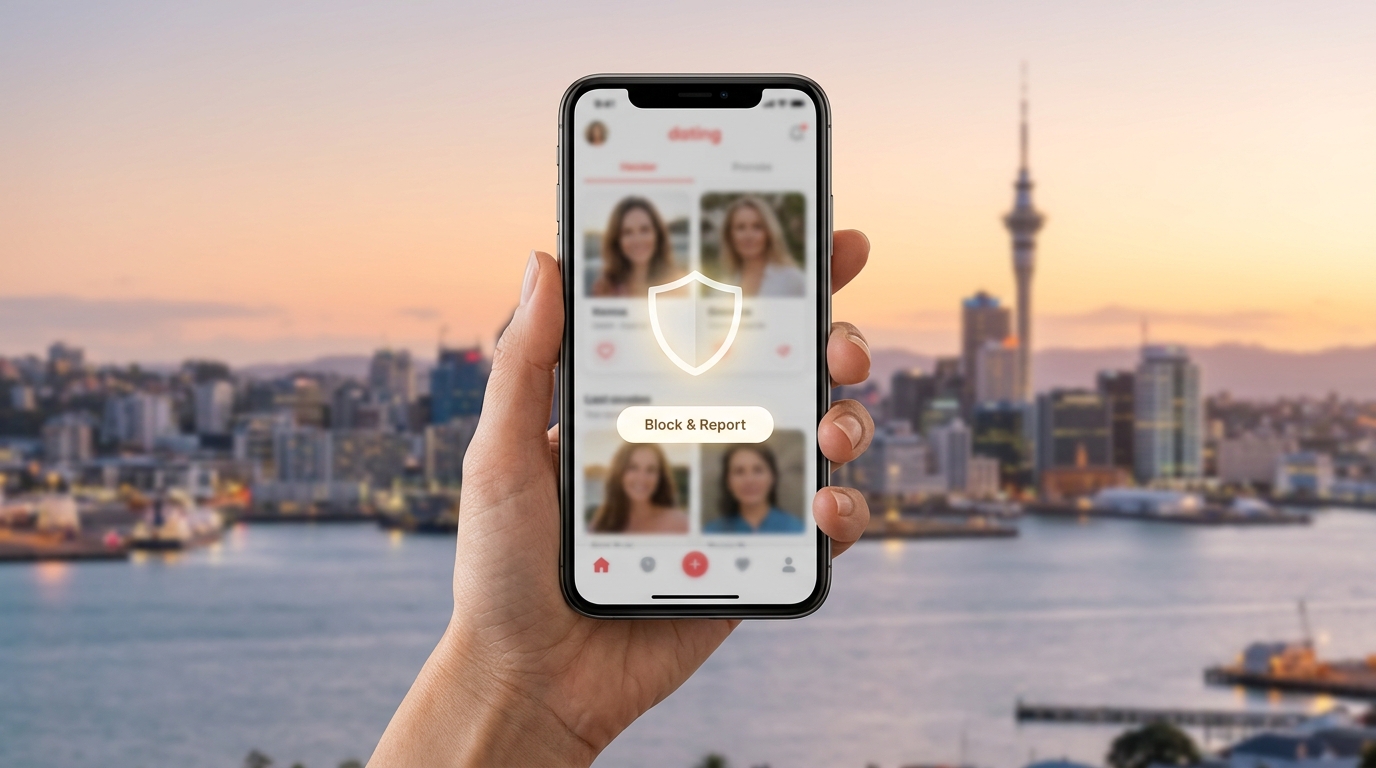
It is important to distinguish between blocking and reporting, as they serve different purposes. Blocking is a personal boundary tool. When you block someone, you are simply ending the communication. They can no longer see your profile, and you can no longer see theirs. This is an appropriate step whenever you feel that a conversation has run its course or if the other person is making you feel slightly uncomfortable, even if they haven't technically broken any site rules. You do not need to justify your reasons for wanting to stop talking to someone. If the vibe isn't right, you have every right to walk away. Reporting, on the other hand, is a community safety tool. When you report a profile, you are flagging that person’s behaviour to the platform's moderation team because they have violated the terms of service. This helps protect not just yourself, but every other user on the app.
- Blocking: Use this for personal peace of mind, unwanted persistence, or simply when you are no longer interested.
- Reporting: Use this for abusive language, threats, scams, fake profiles, or sexually explicit content that was sent without consent.
"Your safety is more important than being 'polite' to a stranger who makes you feel uneasy."
Many people, especially in our "be kind" culture, worry that blocking is rude. In reality, it is a healthy way to manage digital space. If you have clearly communicated that you are not interested or that you want to stop talking, and the other person continues to message you, blocking is the most effective way to enforce that boundary. You are not obligated to provide a closing statement or a long explanation if the interaction has become draining or disrespectful.
When to Take Action: Recognising Red Flags and Protecting Your Peace
Deciding when to move from a casual conversation to a block or a report depends on the specific behaviour you are experiencing. There are several scenarios where you should trust your judgement and act quickly. If someone is pressuring you to move the conversation to an encrypted app like WhatsApp or Telegram immediately, be cautious. This is a common tactic used by scammers to move you away from the dating site's internal safety filters. Situations where blocking is sensible:
- Repeatedly receiving messages after you have already said "no" or "I'm not interested."
- Feeling pressured to share personal photos or details you aren't comfortable with.
- Aggressive or passive-aggressive behaviour when you don't reply fast enough.
- The person is "love bombing" you with excessive affection or intensity far too early.
Situations where reporting is necessary:
- Financial Requests: If someone asks you for money for a "emergency," "travel costs," or "investments," report them immediately. These are hallmarks of romance scams.
- Deception: If you suspect a profile is fake or someone is impersonating another person (catfishing).
- Harassment: Use of hate speech, threats of violence, or persistent sexually explicit messages.
- Suspicious Links: If they send you links to external websites that look like phishing attempts or malware.
Warning: If you decide to report someone for serious harassment or threats, try to take screenshots of the conversation before you hit the block button. Once a user is blocked, their chat history may disappear from your view, making it harder to provide evidence to the platform or authorities if needed.
It is often better to stop engaging entirely rather than trying to argue with someone who is behaving badly. Engaging in a back-and-forth argument often escalates the situation and gives the other person more opportunities to manipulate or upset you. Simply document, report, and block.
Prioritising Your Safety: Beyond the App and Trusted NZ Resources
While dating platforms do their best to keep users safe, your safety extends beyond the app interface. If someone you have been talking to begins to make you feel unsafe and they already know personal details about you—such as your workplace, your local gym in Christchurch, or which suburb you live in—it is time to review your broader digital footprint. Check your privacy settings on social media platforms like Instagram or Facebook to ensure that someone you’ve blocked on a dating app cannot find you elsewhere. If a situation escalates to the point where you feel your immediate physical safety is at risk, or if you are being blackmailed or seriously harassed, you should look beyond the dating platform's support team. In New Zealand, we have specific resources dedicated to digital and physical safety:
- Netsafe: For reporting online abuse, harassment, and scams. They provide excellent guidance on how to handle cyberbullying and privacy breaches in NZ.
- NZ Police: If there is an immediate threat to your safety or if you are being stalked, contact the police directly by calling 111 (emergency) or 105 (non-emergency).
Remember that a healthy dating interaction should always respect a clear "no." A respectful person will accept a rejection or a boundary without demand for further explanation. Trust your gut; if something feels "off" or manipulative, it usually is. You are the best judge of your own comfort levels. Reporting suspicious behaviour is a powerful way to contribute to a safer dating community for everyone in New Zealand. By flagging a scammer or a harasser, you are potentially preventing someone else from becoming a victim. Use these tools confidently and without hesitation. You deserve to explore the dating world feeling secure, respected, and in control of your journey.