
Entering the dating world in your 40s in Aotearoa often feels different than it did in your 20s. Whether you are returning to the scene after a long-term relationship, navigating life as a single parent in a busy suburb like Remuera or Riccarton, or simply looking for a fresh start, there is often an invisible clock ticking in the background. You might feel a self-imposed pressure to "find the one" quickly to make up for lost time or to provide stability for your household. However, rushing into a commitment before you truly know someone can lead to overlooking warning signs or mismatched values.
Setting the right pace is not about following arbitrary rules, such as waiting three days to text back or staying silent until the third date. It is about creating space for a genuine connection to breathe. In a country where social circles can sometimes overlap, taking your time allows you to build a foundation based on reality rather than the initial excitement of attraction. By focusing on your own needs and boundaries, you can give your next relationship the opportunity to develop naturally, rather than simply filling a temporary void.
The goal of dating in your 40s isn't just to find a partner, but to find the right partner for the life you have already built.
When you are dating over 40, you may have a more defined sense of self. This maturity can be an asset. It allows you to communicate your intentions clearly from the start. If you prefer to spend several weeks getting to know someone through Sunday afternoon coffees or walks along the waterfront before jumping into intensive weekend-long dates, that is your choice. A compatible partner will respect your rhythm, understanding that a slower start can help establish a secure foundation.
Understanding the Pressure and Defining Your Own Rhythm
The urge to accelerate a relationship often stems from a fear of uncertainty. If you are dating after divorce or a significant breakup, you might miss the comfort of a familiar partnership. This can lead to rushing into milestones like moving in together or merging social circles far too soon. It is important to distinguish between a healthy desire for commitment and an urgent need for security. A healthy pace allows you to observe how a person handles stress, how they treat service staff in a crowded Wellington cafe, or how they react when plans change due to a late-running motorway commute.
In New Zealand, practicalities often dictate our dating rhythm. You might be managing a demanding career in the CBD while living in a regional area, or perhaps you are balancing alternating childcare weekends. These are not necessarily obstacles to a relationship; they can help you understand whether someone's life complements yours. For example, if you only have every second weekend free, a partner who demands constant attention may not be a good fit. Use these natural constraints to see how consistency and reliability develop over time.
- Consistency over Intensity: A partner who communicates regularly and follows through on plans may be more reliable than someone who showers you with messages but cancels at the last minute.
- Emotional Openness: Taking it slow does not mean being closed off. It means sharing your thoughts and feelings at a rate that feels comfortable and appropriate.
- Shared Values: Use the early months to discuss long-term goals, financial priorities, and lifestyle preferences without the pressure of immediate commitment.
It is also crucial to recognise the difference between someone who wants to take things slowly and someone who is emotionally unavailable. A person who is taking it slow will still be consistent, communicative, and show a clear interest in moving forward, albeit at a measured speed. Someone who is unavailable may be vague about the future, avoid meaningful conversations, and leave you feeling uncertain about where you stand.
Navigating Practical Challenges: Kids, Careers, and Commutes
Dating in your 40s in Aotearoa often involves a logistical balancing act. Imagine a scenario where you live on Auckland's North Shore, and your potential partner lives in Pukekohe. The distance, combined with Auckland traffic, means spontaneous weeknight dinners may be difficult. This geographical gap naturally slows the relationship down. Instead of seeing this as a negative, view it as an opportunity to build emotional intimacy through phone calls and planned, meaningful time together. When you do meet, the focus can be on the quality of the interaction rather than the frequency.
For those dating with children, the pace is often influenced by the needs of the family. There is no perfect time to introduce a new partner to your children, but rushing this step can cause unnecessary confusion for everyone involved. A slower pace allows you to get to know a partner's character before they become involved in your children's lives. Taking time to assess the relationship's stability can help you make a more considered decision about introductions.
Maintaining friendships and family connections also matters while a new relationship develops. The Mental Health Foundation of New Zealand's guidance on staying connected highlights the importance of meaningful relationships with friends, whānau and the wider community. Making time for these existing connections can help you maintain a balanced life while getting to know someone new.
Warning: Be cautious if someone pressures you into intense emotional intimacy or exclusivity before you feel ready. Strong early enthusiasm is not automatically a problem, but repeated disregard for your boundaries deserves attention. Trust your judgement if things feel too fast.
When discussing exclusivity and future expectations, aim for clarity without ultimatums. You might say, "I am really enjoying getting to know you and I'm not seeing anyone else, but I'd like to continue taking things at this pace for a while longer." This communicates both interest and a boundary. It allows the relationship to develop naturally through shared experiences—like a weekend trip to the Bay of Islands or navigating the crowds at a local farmers' market—rather than through a checklist of milestones.
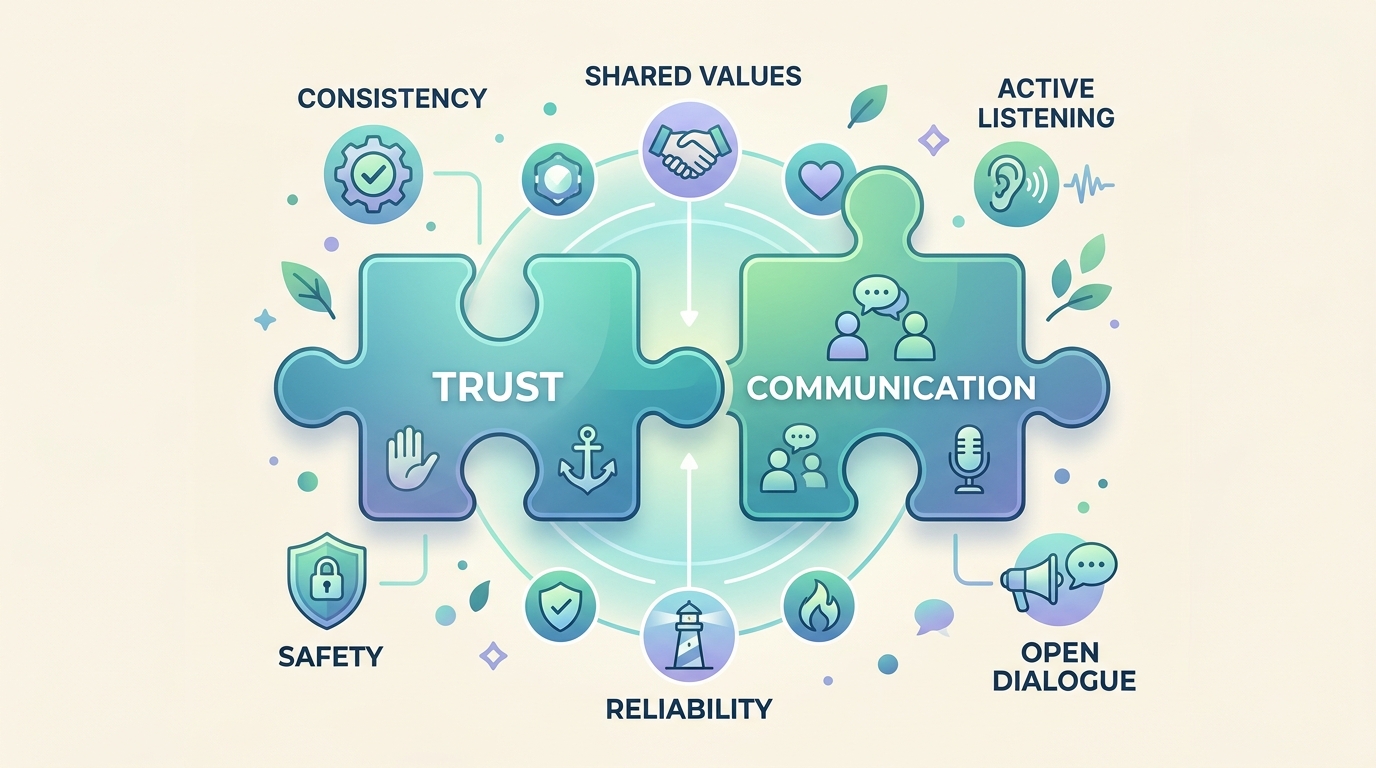
Safety, Communication, and Knowing When to Commit
As you navigate these early stages, your digital safety and personal boundaries remain important. While you are building trust, it is wise to keep certain details private until you feel comfortable sharing them. If you are meeting people through dating apps, Netsafe's guide to safer online dating offers practical advice on protecting personal information, recognising suspicious behaviour and staying safe when meeting someone in person.
If you find that your preferred pace differs from your partner's, open communication is the best way forward. If they want to move faster, try to understand their reasons. Are they genuinely enthusiastic, or are they repeatedly pushing past your boundaries? Compromise is often possible—perhaps you see each other slightly more often but delay meeting the family—but if your fundamental expectations about the speed of a relationship are incompatible, it is better to recognise this early.
For more advice on recognising suspicious online behaviour, refer to Own Your Online's guide to protecting yourself from romance scams. The resource explains how scammers can create a false sense of intimacy, pressure people into financial decisions and exploit personal information. Remember that you have the right to slow things down or walk away if you feel uncomfortable or pressured. A respectful partner should take your concerns seriously.
Ultimately, a meaningful relationship in your 40s should add value to your life, not unnecessary stress. By embracing a pace that respects your existing commitments—be it your career in Christchurch, your social circle in Dunedin, or your parenting responsibilities—you create space for a relationship to grow. For more tips on navigating this journey, visit Dating Guide New Zealand. Focus on building trust, enjoying the getting-to-know-you phase, and allowing milestones to happen when they feel right for both of you.
Prioritising online dating safety and honest dialogue will help you find a partner who values you for who you are today, rather than who they want you to become. Enjoy the process, stay true to your rhythm, and remember that a meaningful connection does not need to follow a fixed timetable.