Finding a new connection in New Zealand's vibrant dating scene is exciting, whether you are exploring the coastal charm of Tauranga or the busy streets of Auckland. However, taking a moment to ensure you are talking to a real person is a vital step in your journey. Learning how to check if a dating profile is genuine isn't about being cynical; it is about protecting your heart and your digital safety so you can focus on finding a real match.
Verification is a sensible precaution, much like checking the weather before a hike in the Southern Alps. It helps you distinguish between harmless profile exaggerations—like someone claiming to be two centimetres taller—and more serious issues like catfishing or financial fraud. You can find more advice on online dating safety NZ to help you navigate these initial stages with confidence.
Spotting Visual and Information Discrepancies
One of the most effective ways to verify a dating profile is to look closely at the photographs. For example, if you are chatting with someone in Auckland, you might use tools like Google Lens to see if their photos appear on unrelated websites or international stock photo galleries. While professional-looking photos don't always mean a profile is fake, a reverse image search of a dating profile can quickly reveal if those images have been stolen from a social media influencer or a public figure.
- Consistency is key: Does the person in Wellington say they are a teacher in their bio but later mention working in a law firm? Occasional slips happen, but repeated contradictions about their age, occupation, or lifestyle are fake dating profile signs you should not ignore.
- The AI factor: Be aware of AI-generated dating photos. Look for strange visual details like blurred ears, distorted backgrounds, or inconsistent jewellery. Even a convincing video call can sometimes be manipulated, so it is best to combine visual checks with conversation.
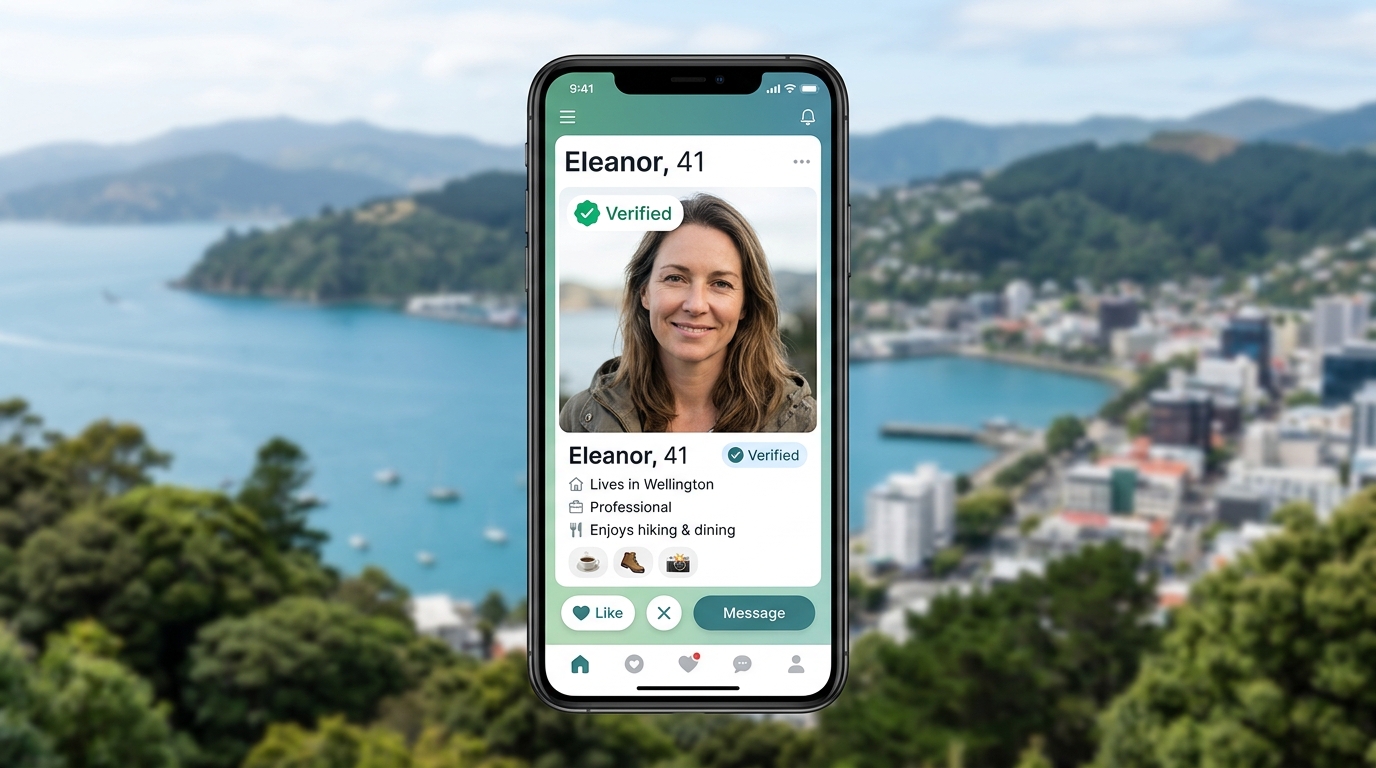
- Platform badges: Many New Zealand platforms offer photo-verification badges. While these show the person likely matches their photos, they don't guarantee the person's intentions or full identity.
If you are unsure about a profile's authenticity, you can check how to spot a fake dating profile for a deeper dive into common patterns. Remember, protecting your privacy is paramount; never feel pressured to share sensitive identity documents or intimate photos to "prove" your own authenticity.
Communication Patterns and Financial Red Flags
Genuine matches will usually engage in natural, flowing conversations. They will ask thoughtful follow-up questions and can answer ordinary details about their everyday life in New Zealand. If you are chatting with someone in regional NZ who is planning a long journey to meet you, pay attention to their stories. Do they seem grounded in reality? For more tips, read our guide on protecting personal information while dating.
"If an online acquaintance asks for money, regardless of the reason, it is a major red flag. In New Zealand, romance scammers often create emotional emergencies to solicit funds."
Be extremely cautious if a match asks for financial assistance. For instance, a person in Hamilton receiving an unexpected request for NZ$300 for an "emergency" or "travel expenses" should stop communicating immediately. Official advice from Consumer Protection New Zealand warns against sending money, gift cards, or cryptocurrency to anyone you haven't met in person.
Watch out for emotional manipulation, such as premature declarations of love or constant excuses for why they cannot meet or video chat. Scammers often try to move the conversation quickly to private apps like WhatsApp or Telegram to avoid the dating site's security filters. You can find further guidance on recognising suspicious digital behaviour via Own Your Online.
Taking the Next Step Safely
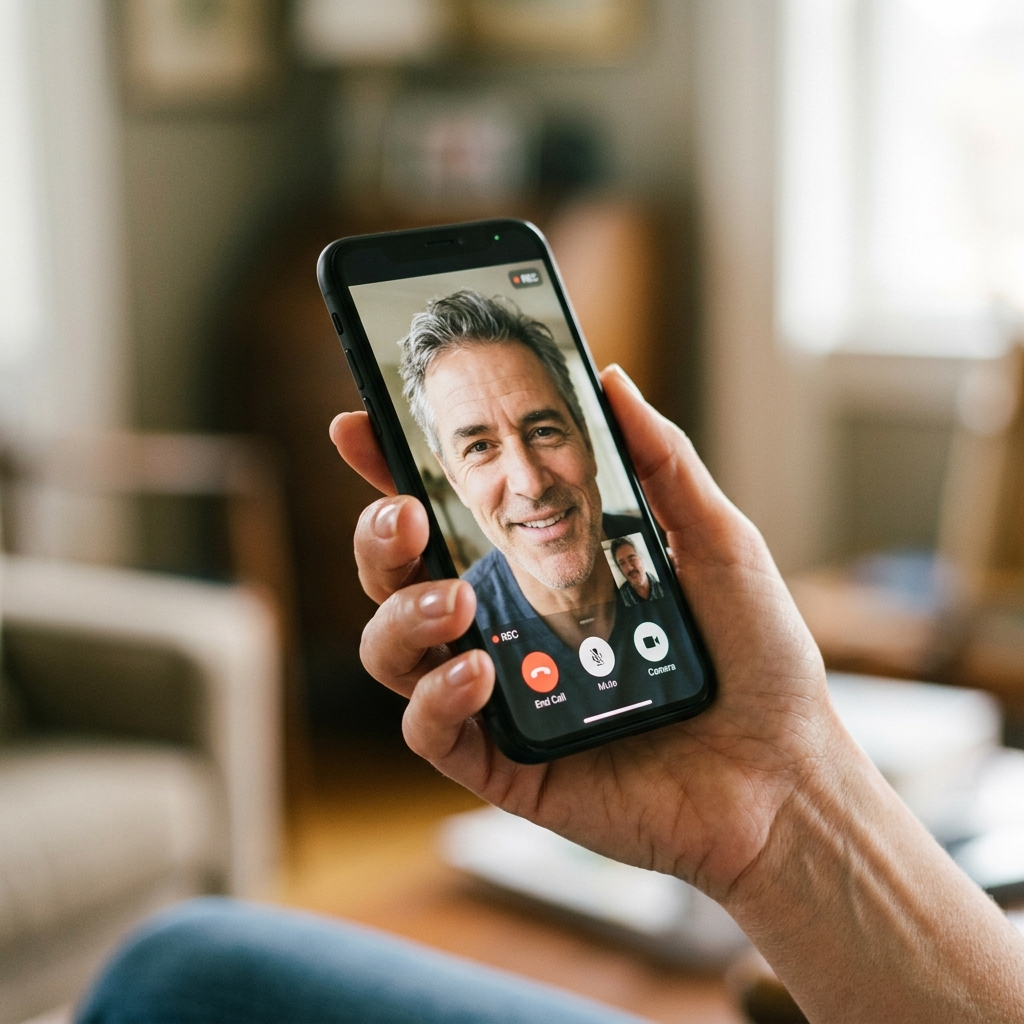
Before meeting someone from another town or even just across the city, suggest a short video call. Two people in Christchurch, for example, might have a ten-minute chat over FaceTime or Zoom. This helps you get a feel for their personality and confirms they are the person in the photos. While hesitation to jump on a call doesn't always prove deception, a total refusal should be noted. For more on this, see our article on preparing for a first date.
If you suspect a profile is fraudulent or if you have been targeted by online dating fraud, it is important to take action:
- Pause and Block: Stop all communication and block the account on all platforms.
- Report to the Platform: Use the "Report" feature on the dating site to alert their moderation team.
- Contact Authorities: Report harmful behaviour to Netsafe or, in cases of financial theft, contact the New Zealand Police.
- Notify Your Bank: If you have transferred money, contact your bank immediately to see if the transaction can be stopped.
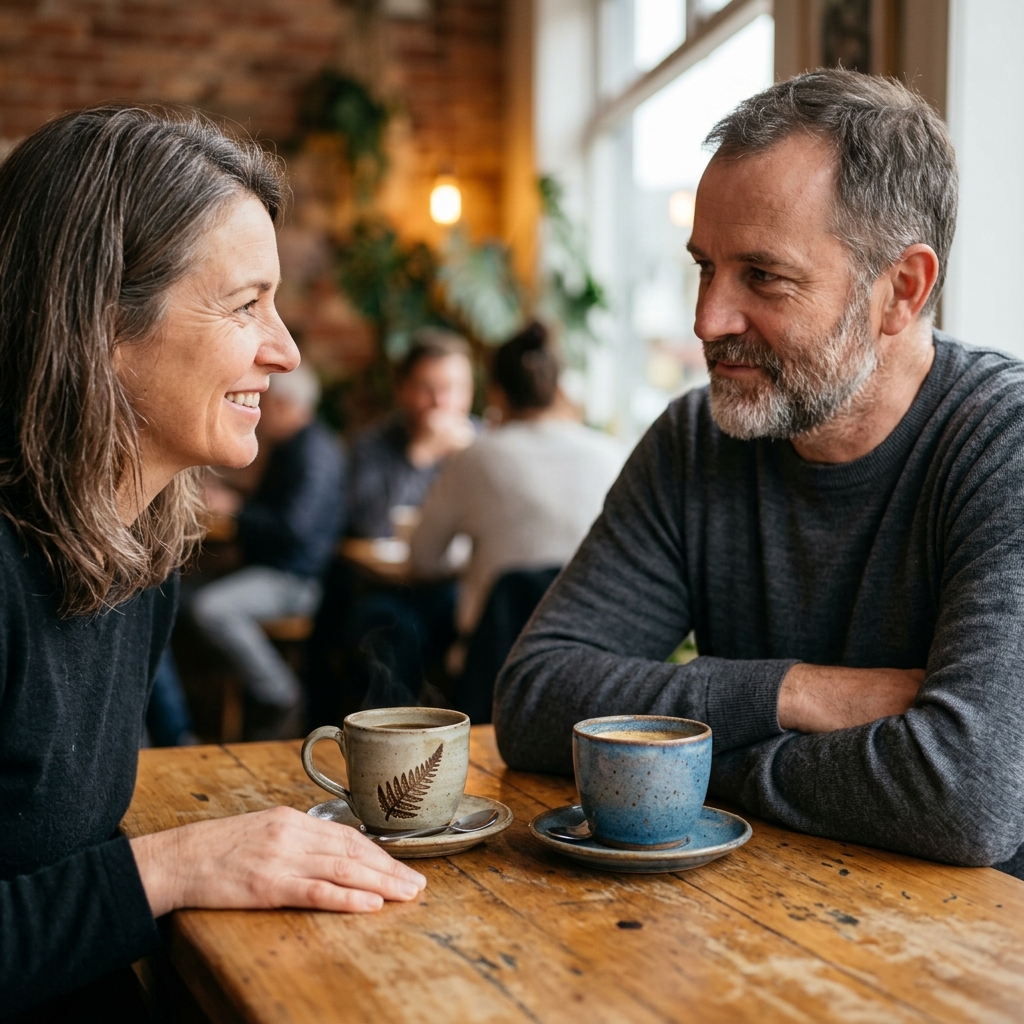
When you are ready for a safe first date, always meet in a public location—like a busy café in the Octagon or a park in Napier. Arrange your own transport, tell a trusted friend where you are going, and keep the first meeting relatively short. By following this practical verification sequence, you can enjoy the process of meeting new people while staying secure.
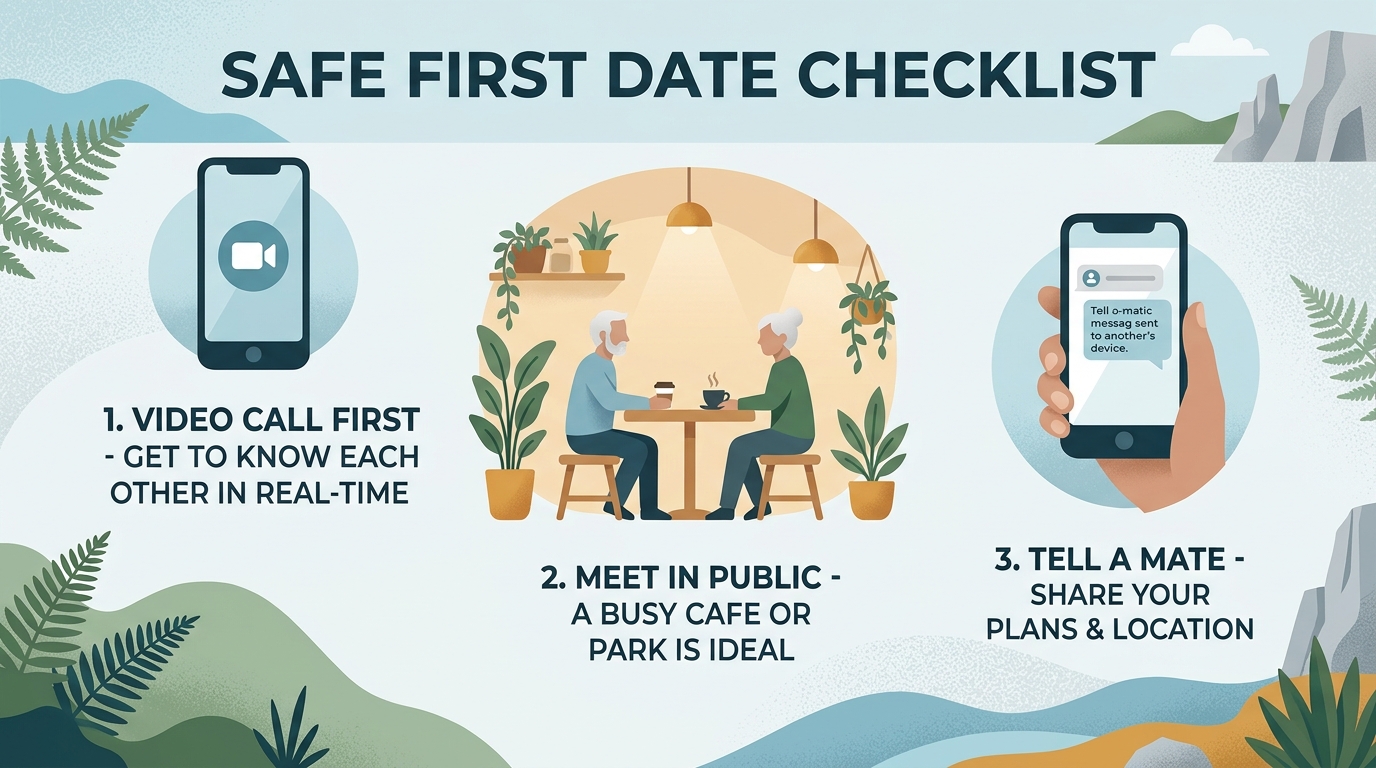
Practical Pre-Date Checklist
- Has the profile information remained consistent during your chats?
- Have you tried a reverse image search on their main photos?
- Has the person avoided making any suspicious financial requests?
- Have you had a video call or a meaningful phone conversation?
- Is your first meeting planned for a public New Zealand location?
Check out our full editorial on creating an authentic dating profile to ensure you are also attracting the right kind of genuine connections.